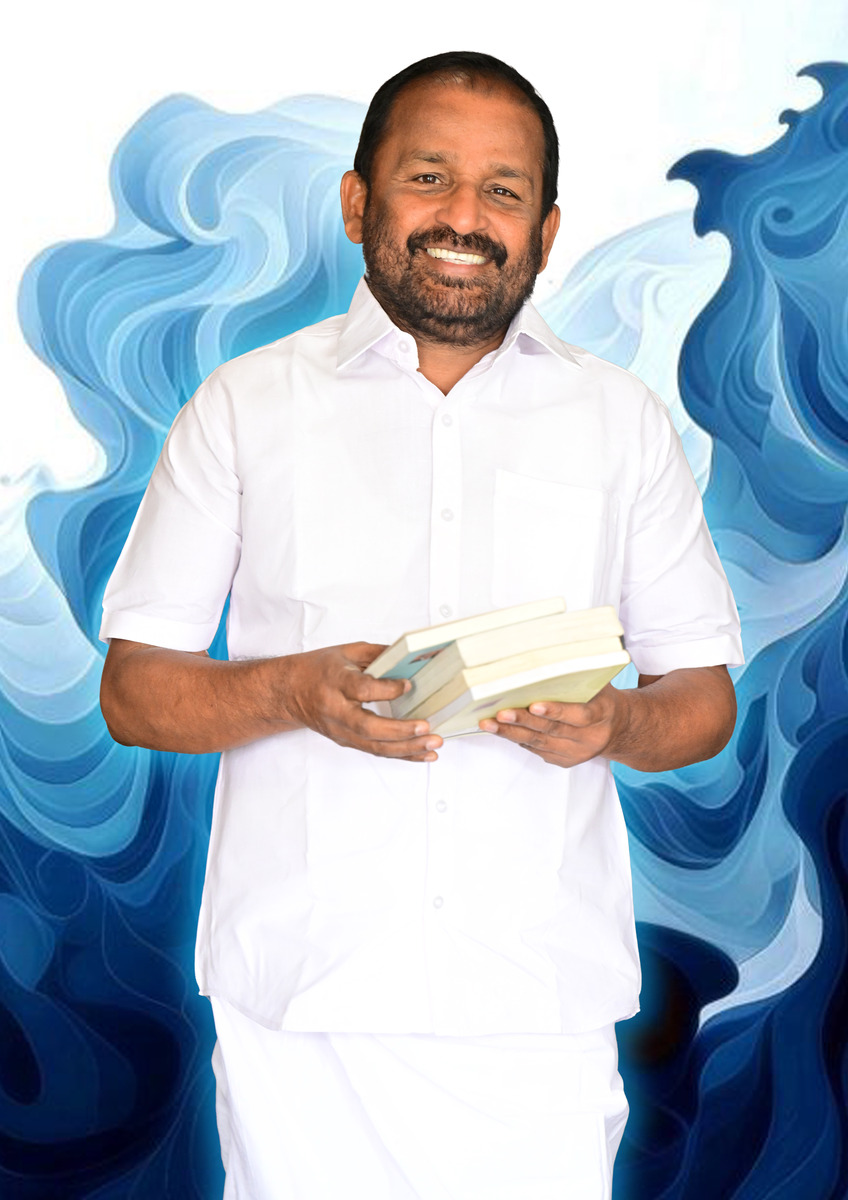
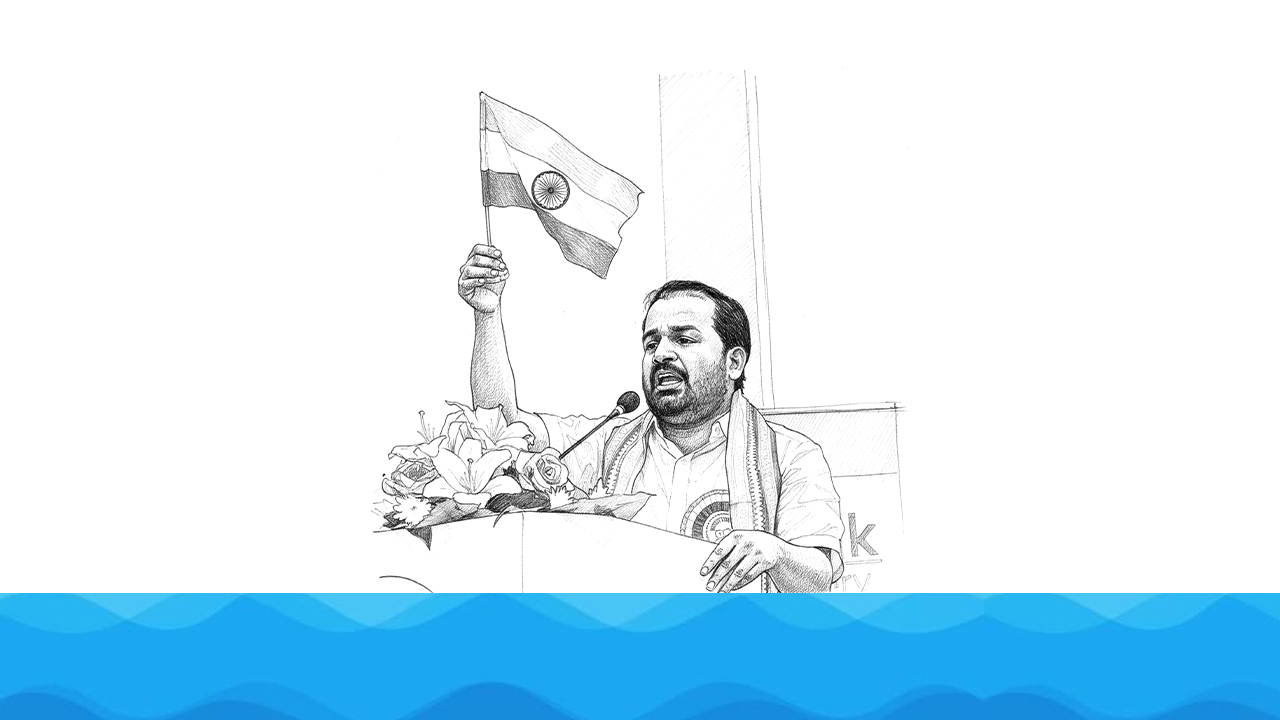
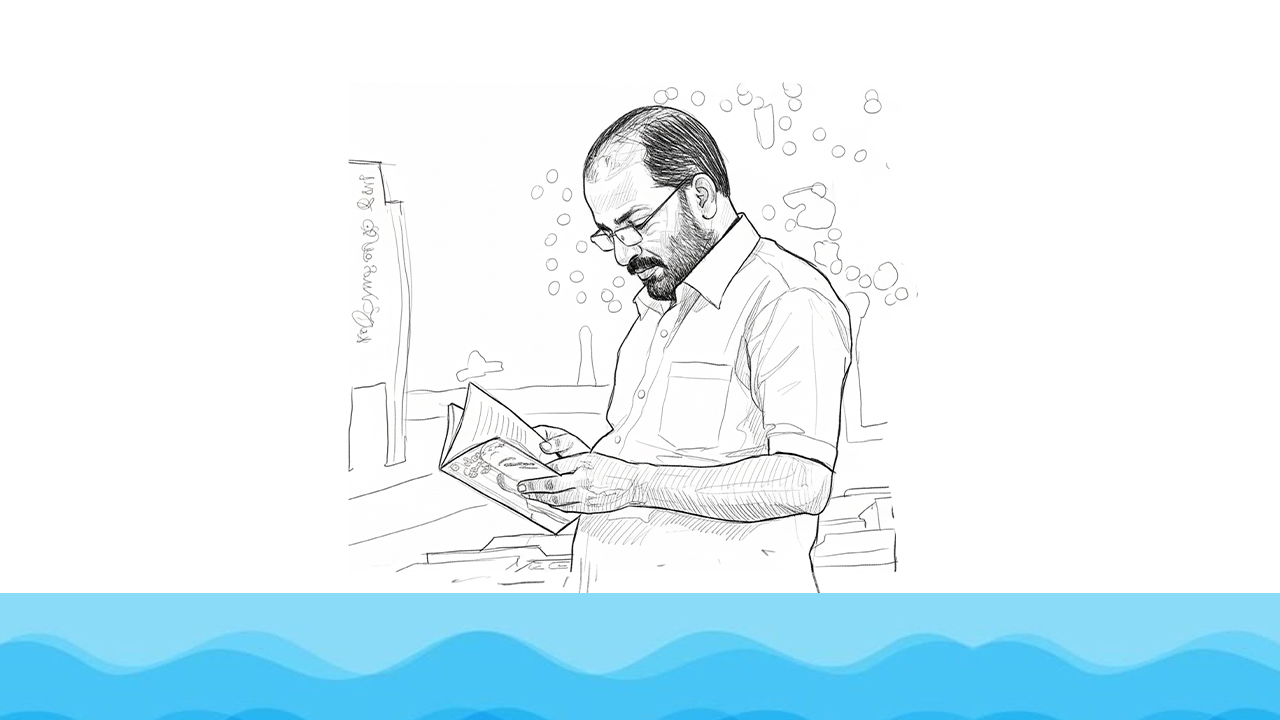
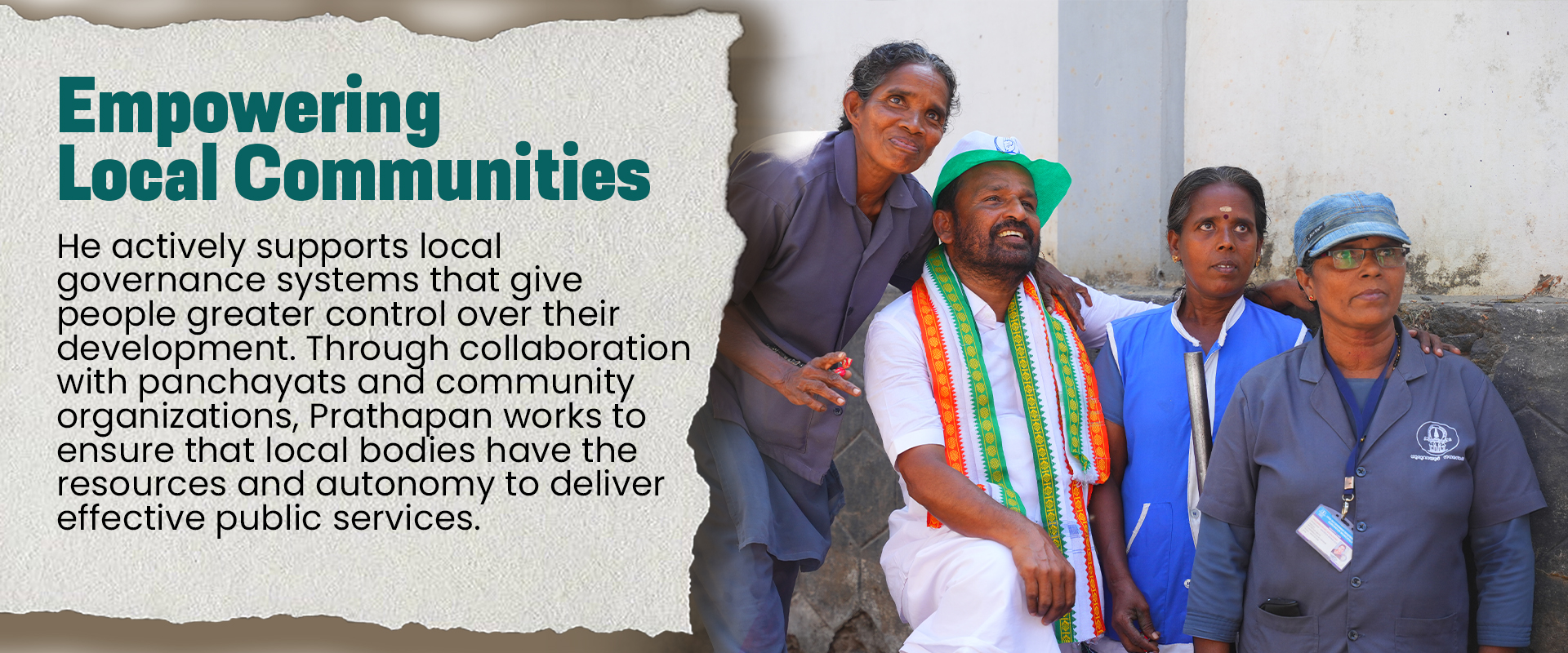
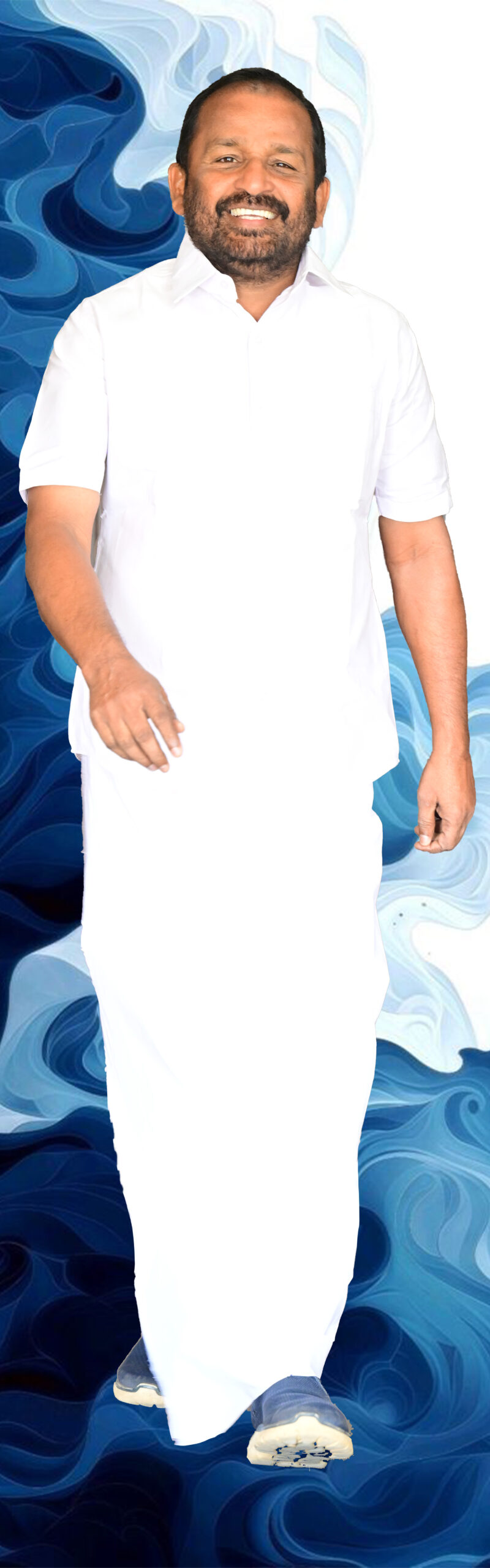
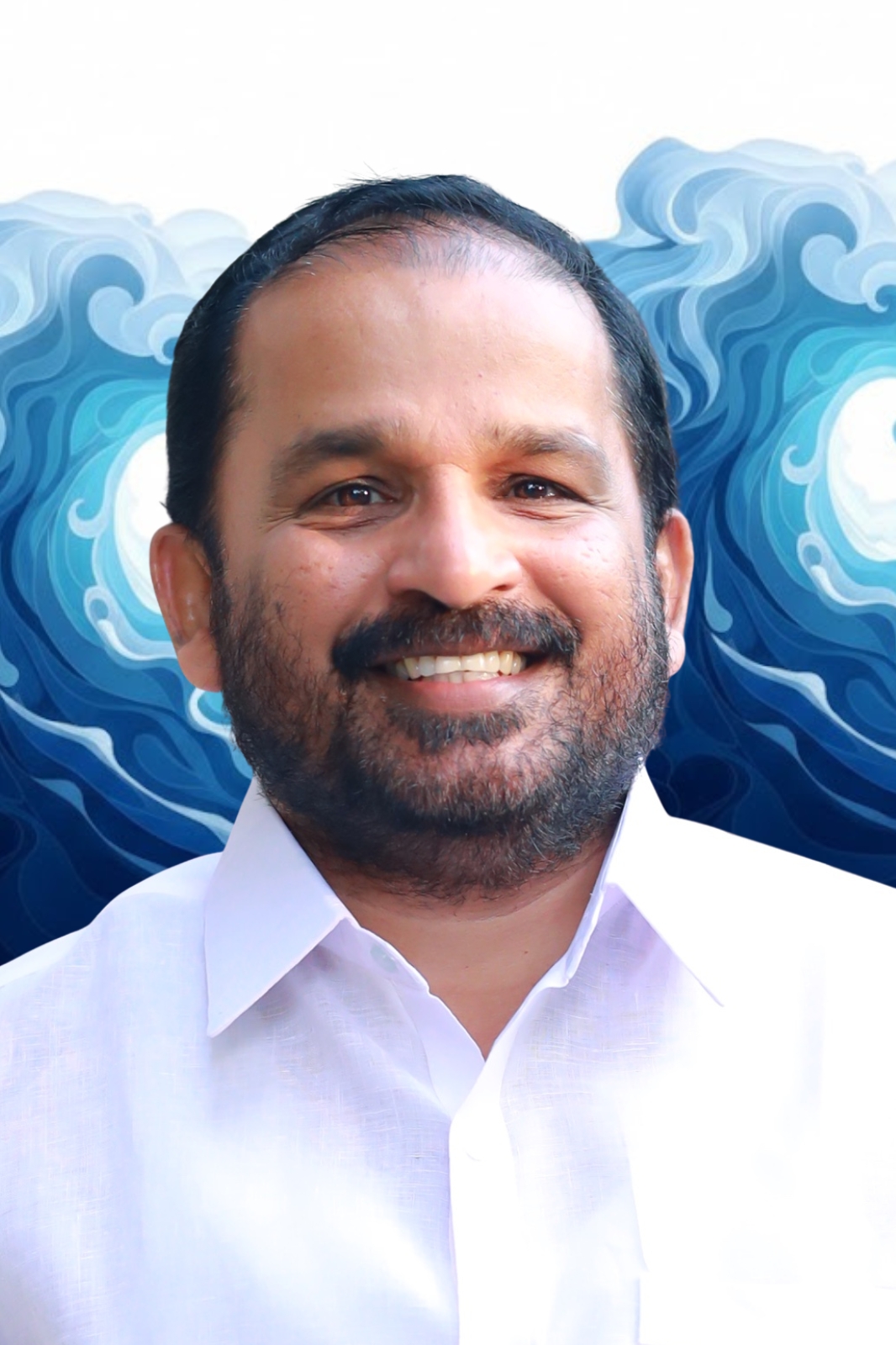
Beyond the formal arena of electoral politics, T. N. Prathapan has consistently lived by a conviction that public service is a moral responsibility that transcends office and authority. His engagement with society reflects a deeply humane vision of leadership—one rooted in empathy, inclusion, and sustained community empowerment. Whether working with marginalised groups or mobilising collective action, his efforts are guided by the belief that governance must ultimately touch everyday lives.
Education has remained one of the central pillars of his social commitment. Through ‘Snehapoorvam’, an educational empowerment programme aimed at supporting students from economically and socially disadvantaged backgrounds, Prathapan helped bridge gaps in access and opportunity. The programme’s impact and effectiveness later led to its adoption by the Kerala State Government under the same name—an acknowledgement of its transformative potential. For him, education is not merely an investment in individuals, but a long-term strategy for building a just and resilient Kerala.
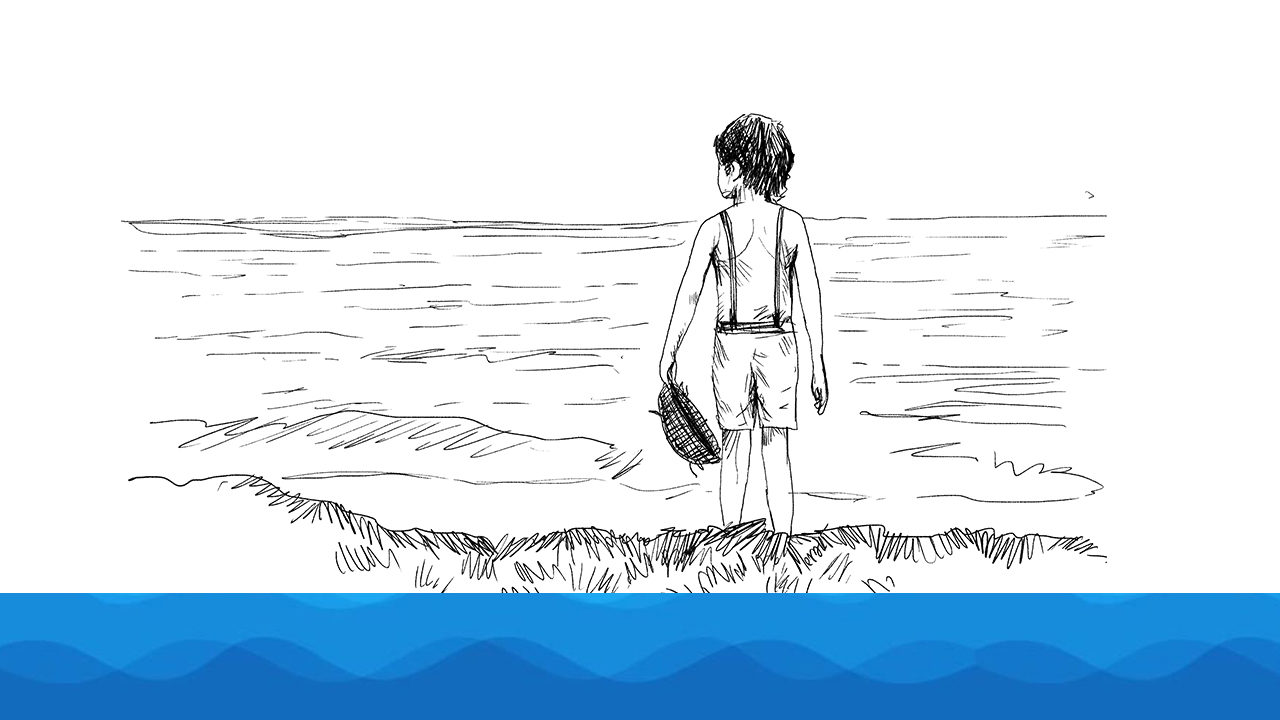
Social harmony, particularly in Kerala’s coastal regions, has been another key concern. In the aftermath of the Maradu riots, Prathapan conceptualised ‘Oruma’, Kerala’s first-ever beach festival, as a platform to foster unity, cultural exchange, and communal harmony among coastal communities. The initiative stood as a powerful symbol of reconciliation, using culture and public space to heal social fractures and reaffirm shared values.
His vision for sustainable development is equally evident in ‘Snehatheeram’, the beach tourism project at Thalikulam. Conceived as a model of responsible and community-driven tourism, Snehatheeram transformed Thalikulam beach into one of Kerala’s most admired beach tourism destinations—balancing economic opportunity with environmental sensitivity.
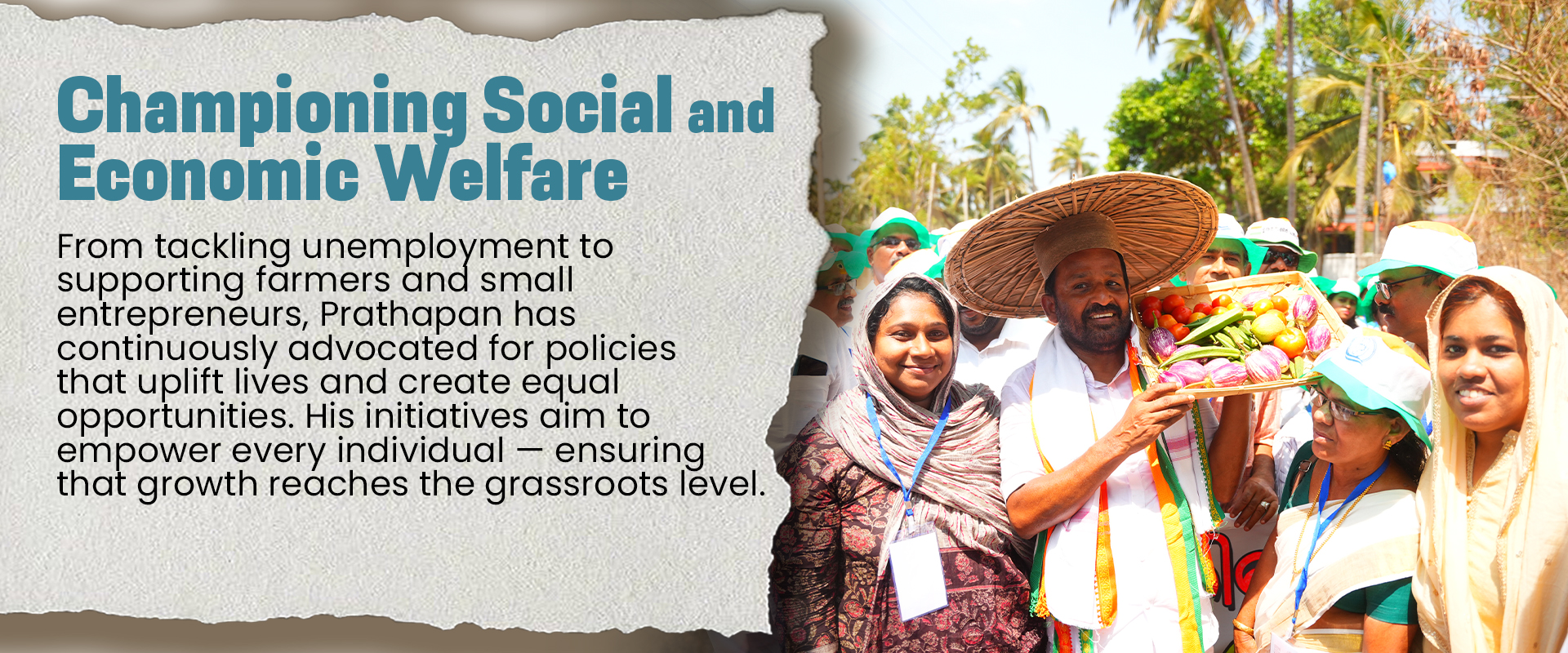
Widely regarded as a pioneer of ‘green politics in Kerala’, T. N. Prathapan has been a consistent champion of environmental protection and ecological consciousness. Long before sustainability became a mainstream political discourse, he advocated climate responsibility, conservation, and biofarming as essential to Kerala’s future. His notable environmental initiatives include ‘Niravu’—later adopted by the State Government under the same name—‘MPs Haritham’, and ‘Haritha Samrudhi’, all of which focused on greening public spaces, promoting sustainable agriculture, and encouraging community participation in environmental stewardship. His emphasis on biofarming reflects a broader commitment to food security, soil health, and environmentally responsible livelihoods.
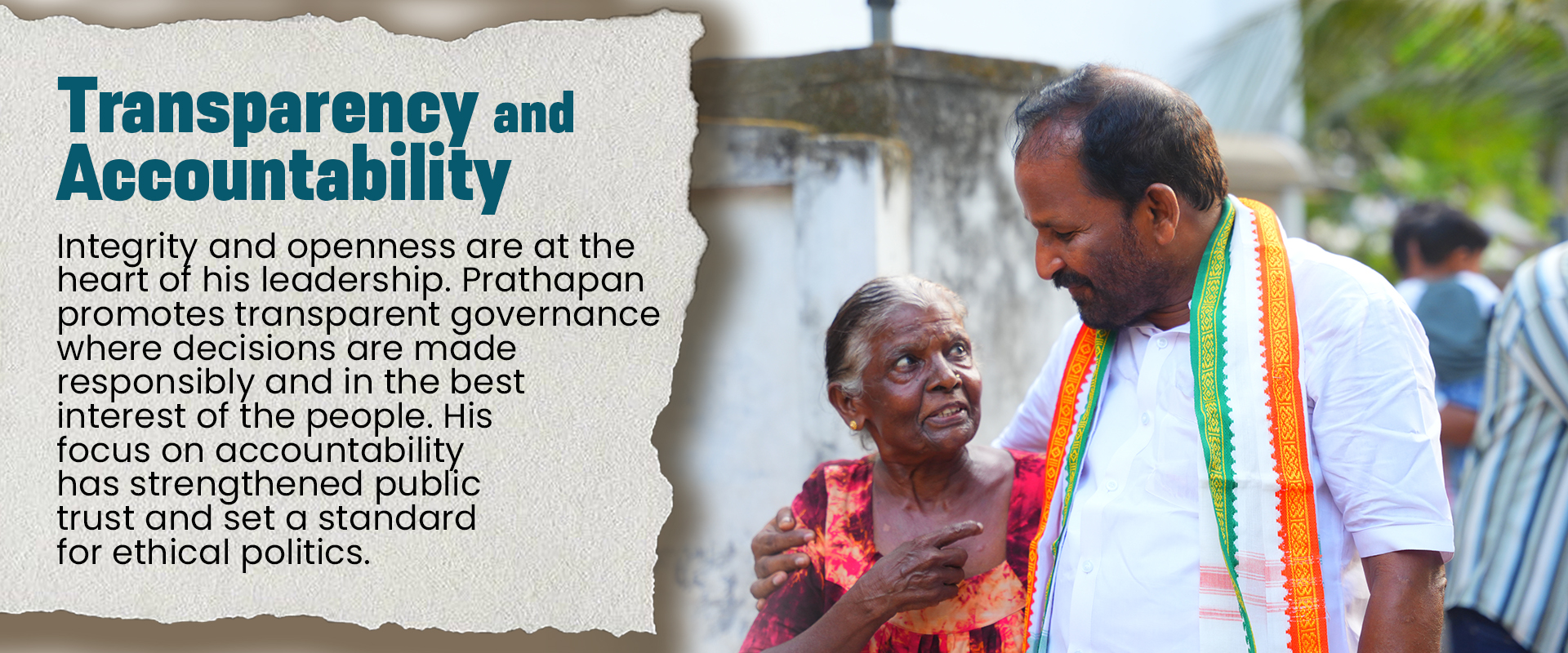
Prathapan’s social sensitivity is perhaps most poignantly reflected in ‘Ammakkoru Kavil Kanji’, a pioneering welfare scheme he introduced during his tenure as MLA from Nattika. Designed to support mothers above the age of sixty, the scheme functioned as a pension initiative rooted in dignity and care—recognising ageing women not as dependents, but as individuals deserving social security and respect.
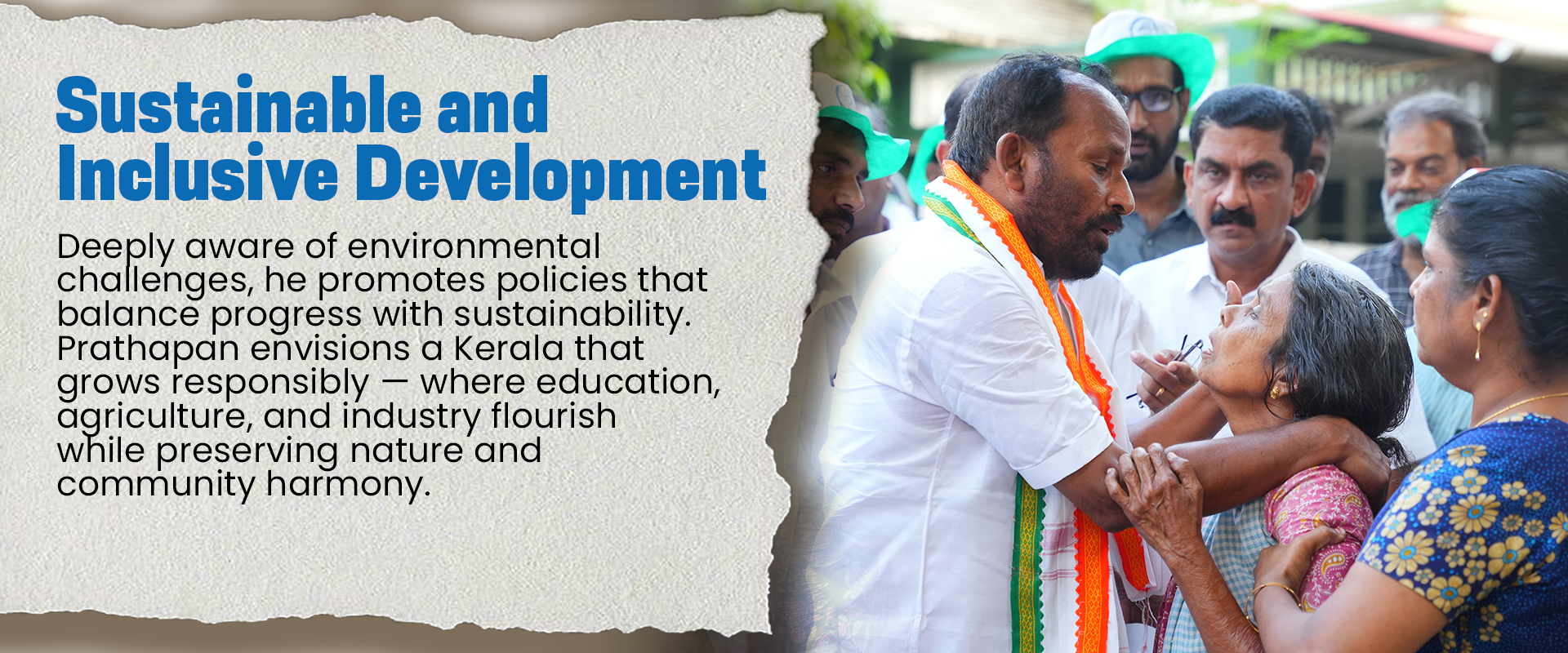
Health, well-being, and human dignity have also featured prominently in his public interventions. Through medical camps, blood donation drives, and awareness programmes on hygiene, nutrition, and preventive care—particularly in rural and coastal areas—he has consistently argued that access to healthcare should never be determined by geography or income.
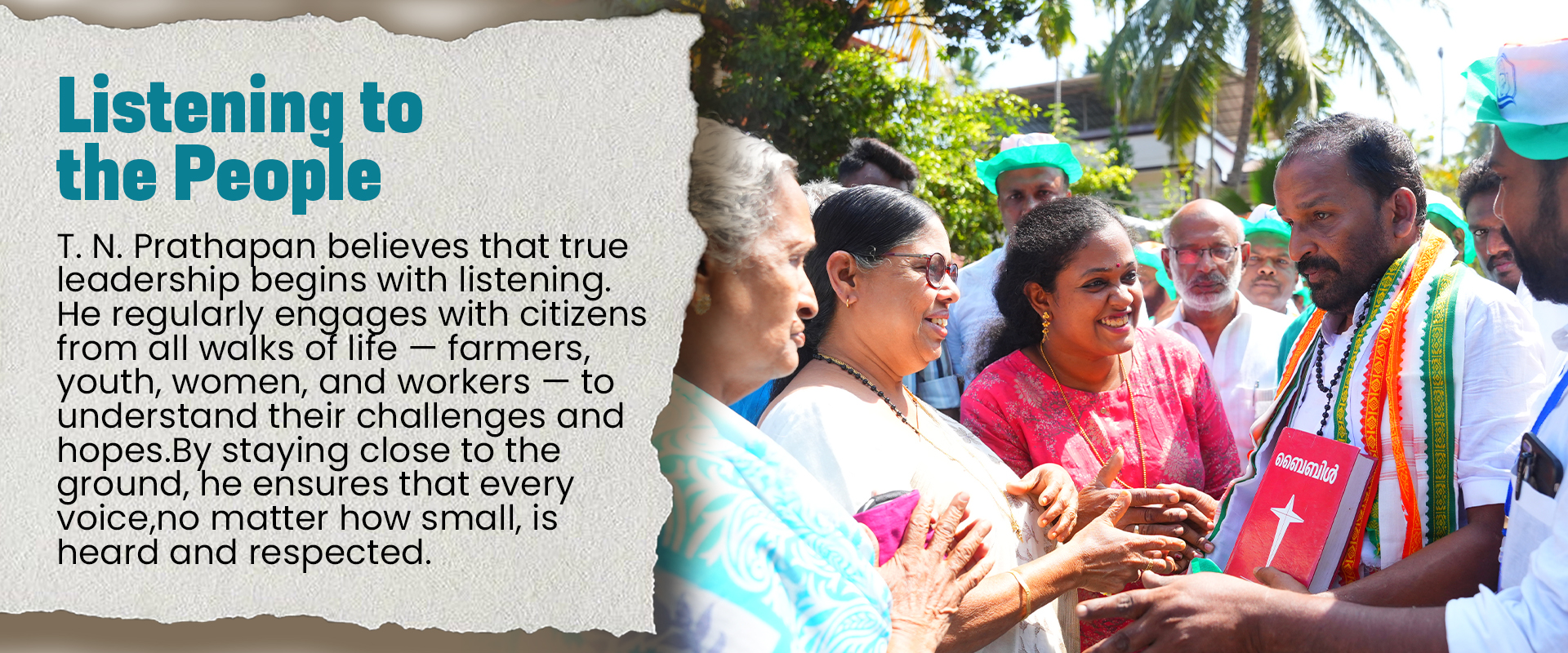
A firm believer in the transformative power of youth, T. N. Prathapan has continuously engaged with young people and student communities to cultivate values of volunteerism, civic responsibility, and ethical leadership. His interactions emphasise active citizenship and social accountability, encouraging the next generation to participate meaningfully in democratic and social processes.
For T. N. Prathapan, progress is inherently collective. His life and work affirm a simple yet profound philosophy: leadership is not defined by position, but by responsibility. Through humility, compassion, and an unwavering commitment to equality, sustainability, and social justice, he continues to work towards an inclusive society where development is humane, harmony is protected, and no one is left behind.